News and Updates
Updates on Exile and Advocacy Efforts
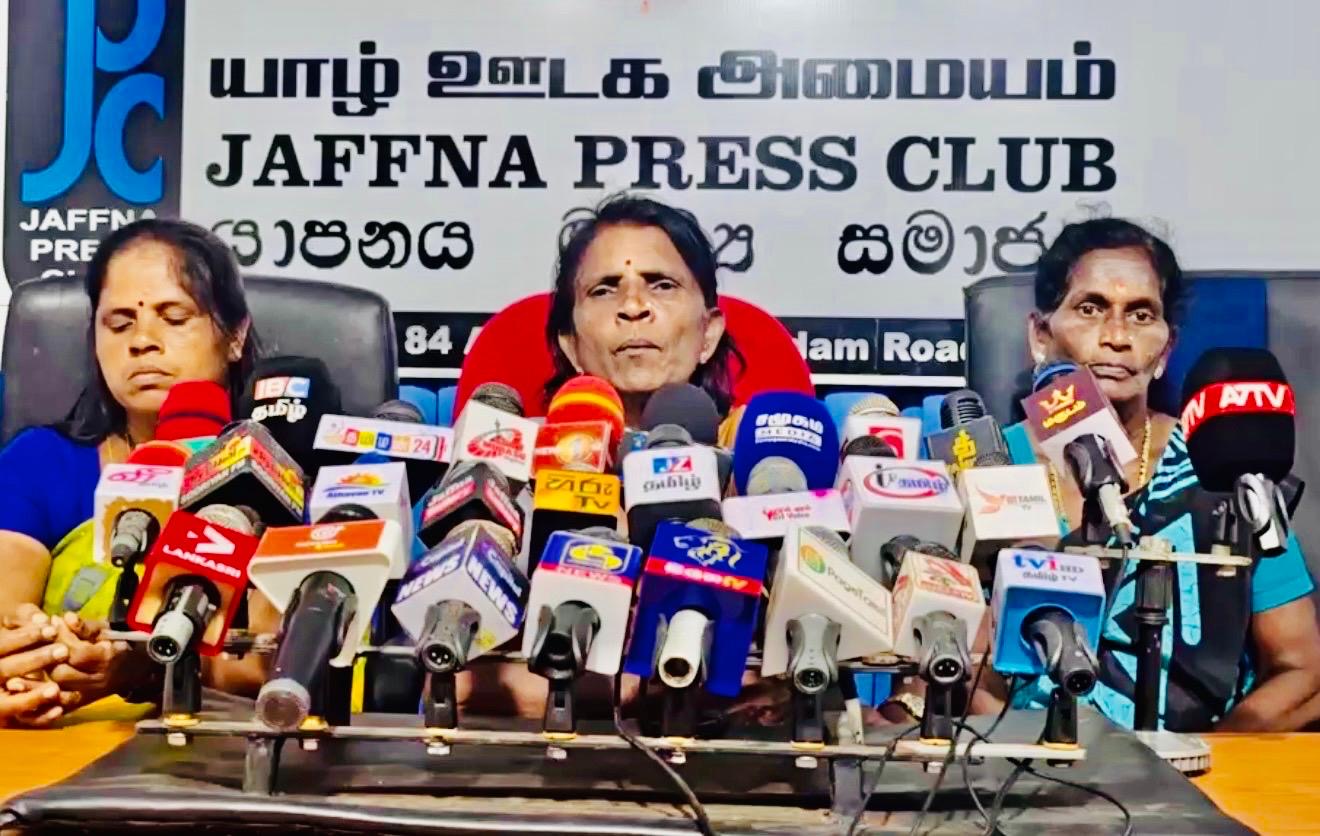
மரணச் சான்றிதழையும் இழப்பீட்டையும் வழங்குவதற்கு இந்த அரசாங்கம் மும்முரமாக வேலை செய்து கொண்டுள்ளது என வடக்கு கிழக்கு வலிந்து காணாமல் ஆக்கப்பட்டோரின் உறவுகள் சங்கத்தின் தலைவி யோகராசா கனகரஞ்சினி குற்றச்சாட்டு
காணாமல் ஆக்கப்பட்டோரின் உறவுகளுக்கு மரணச் சான்றிதழும் இழப்பீடும் வேண்டாம்; பிள்ளைகளே வேண்டும் – யோகராசா கனகரஞ்சினி
வலிந்து காணாமல் ஆக்கப்பட்டோரின் உறவுகளுக்கு மரணச் சான்றிதழ் மற்றும் இழப்பீடு வழங்குவதன் மூலம் அவர்களின் உண்மைக்கும் நீதிக்குமான போராட்டத்தை நீர்த்துப் போகச் செய்ய அரசாங்கம் முயற்சித்து வருவதாக வடக்கு–கிழக்கு வலிந்து காணாமல் ஆக்கப்பட்டோரின் உறவுகள் சங்கத்தின் தலைவி யோகராசா கனகரஞ்சினி குற்றஞ்சாட்டியுள்ளார்.
சமகால நிலைமைகள் தொடர்பாக யாழ்ப்பாண ஊடக அமையத்தில் நேற்று நடைபெற்ற ஊடகவியலாளர் சந்திப்பில் கருத்துத் தெரிவிக்கும்போதே அவர் இவ்வாறு தெரிவித்தார்.
அவர் மேலும் தெரிவிக்கையில்,
“எதிர்வரும் 30ஆம் திகதி வலிந்து காணாமல் ஆக்கப்பட்டோரின் உறவுகளால் நடத்தப்படவுள்ள சர்வதேச மாநாட்டை தந்தை செல்வா அரங்கில் நடத்துவதற்கான ஏற்பாடுகள் முன்னெடுக்கப்பட்டு வருகின்றன.
எங்களுடைய போராட்டத்தையும், எங்களுடைய விடுதலைக்கான நோக்கத்தையும் நீர்த்துப் போகச் செய்யும் வகையில் யாழ்ப்பாணத்திற்கு வருகை தந்து காணாமல் போனோர் அலுவலகம் செயற்பட்டு வருகிறது.
அந்த அலுவலகத்தின் செயற்பாடுகளைத் தடுத்து நிறுத்தி, எங்களுக்கான நீதி சர்வதேச நீதியே என்பதை வலியுறுத்தி வருகின்றோம். ஆனால், இரவோடு இரவாக சில மாவட்டங்களில் அந்த அலுவலகங்களைத் திறந்து, அப்பாவி தாய்மார்களை அழைத்து, ‘இதைத் தருவோம், அதைத் தருவோம்’ எனக் கூறி மரணச் சான்றிதழ்களையும் இழப்பீடுகளையும் வழங்குவதற்கு அரசாங்கம் மும்முரமாக செயற்பட்டு வருகிறது.
அண்மையில் கோப்பாயில் நடைபெற்ற காணாமல் போனோர் அலுவலகத்தின் கூட்டத்தில் கலந்துகொண்ட தாய்மார்கள் அனைவரும், ‘எங்களுக்கு இழப்பீடு வேண்டாம், மரணச் சான்றிதழும் வேண்டாம்; எங்களுக்கு எங்களுடைய பிள்ளைகள்தான் வேண்டும்’ என்று தெளிவாகக் கூறினர்.
உண்மைக்கும் நீதிக்குமான இந்தப் போராட்டம் சர்வதேசத்தை நோக்கிய தூய்மையானதும் நீண்டதுமான பயணமாகும். எங்களுக்கான நீதி சர்வதேச நீதியே என்பதை தாய்மார்கள் கண்ணீர் சிந்தி வீதிகளில் நின்று வலியுறுத்தி வருகின்றனர்.
பாதிக்கப்பட்ட மக்களின் வாக்குகளைப் பெற்று ஆட்சிக்கு வந்த இந்த அரசாங்கம், தானும் பாதிக்கப்பட்ட அரசாங்கம் எனக் கூறி பல்வேறு கருத்துகளை முன்வைத்தாலும், இதுவரையில் எங்களுடைய பிரச்சினைக்கு ஒரு துளியளவுக்குக்கூட தீர்வு காணவில்லை. எனவே, இந்த அரசாங்கம் ஒருபோதும் எங்களுக்கு நீதியை வழங்காது என்பதை பாதிக்கப்பட்ட தாய்மார்கள் புரிந்துகொள்ள வேண்டும்.
எதிர்வரும் 30ஆம் திகதி தந்தை செல்வா அரங்கில் நடைபெறவுள்ள சர்வதேச மாநாட்டில், தங்களுடைய கண்ணீர், வேதனை மற்றும் ஆதங்கங்களை வெளிப்படுத்துவதற்கு தாய்மார்கள் ஒன்றுகூடுகின்றனர்.
சர்வதேசத்தின் கவனத்தை ஈர்க்கும் வகையில் நடைபெறவுள்ள இந்த மாநாட்டிற்கு, மனித உரிமைகளை நேசிக்கும் சர்வதேச பிரதிநிதிகள் மற்றும் உயர்ஸ்தானிகர்களை அழைத்து, எங்களுக்கான நீதி சர்வதேச நீதியே என்பதை உறுதிப்படுத்துவதற்கான முயற்சிகள் முன்னெடுக்கப்பட்டு வருகின்றன.
கொடூரமான யுத்தமும் இன அழிப்பும் இடம்பெற்ற பின்னர் கையளிக்கப்பட்ட எங்களுடைய உறவுகளுக்கு என்ன நடந்தது என்பதற்கான உண்மை வெளிப்படுத்தப்பட வேண்டும். அதற்கான நீதியே எங்களுக்கு கிடைக்க வேண்டும்” எனத் தெரிவித்தார்.
Black July Commemoration: Historic Initiative in Front of the UK Prime Minister’s Office to Count Tamil Victims of the Sri Lankan War
Black July Commemoration: Historic Initiative in Front of the UK Prime Minister’s Office to Count Tamil Victims of the Sri Lankan War
23 July 2026 | London
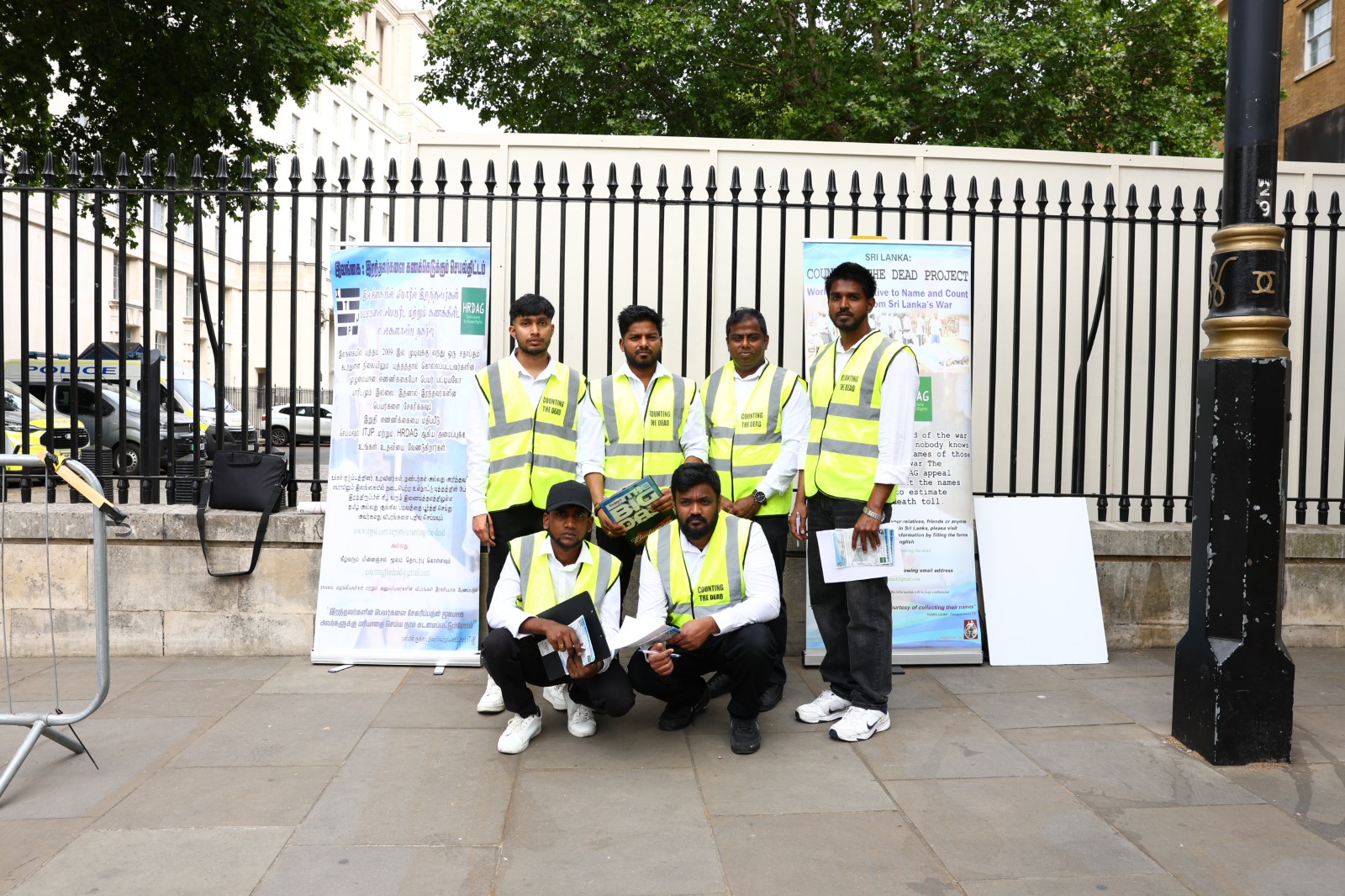
On 23 July 2026, the day marking the remembrance of the 1983 Black July anti-Tamil pogrom, members of the Tamil diaspora gathered opposite 10 Downing Street, the official residence of the UK Prime Minister, to take part in a historic initiative to document the lives of Tamils who were killed or disappeared during the Sri Lankan conflict.
More than seventeen years after the end of the armed conflict in 2009, many families are still without a complete record of those who were killed or forcibly disappeared, and justice remains elusive for countless victims. To support efforts towards truth, accountability, and justice, the International Truth and Justice Project (ITJP) and the Human Rights Data Analysis Group (HRDAG) are jointly carrying out the “Counting the Dead” project.
Remembering the victims of Black July and the immense suffering endured by the Tamil people, members of the Tamil community came together to provide information about relatives and loved ones who lost their lives or remain missing. Volunteers carefully recorded these details to contribute to a comprehensive historical record.
Speaking at the event, volunteers said:
“An international justice mechanism remains essential for the victims of Sri Lanka’s conflict. By documenting the stories of those who lost their lives and preserving their testimonies, we hope to contribute to the pursuit of truth, accountability, and justice for affected families.”
The event was supported by dedicated volunteers, including Vithushan Kanesamoorthy, Anushan Balasubramaniam, Sivakumar Vidhursan, and Arangan Jayakumar, who participated with commitment and dedication in assisting members of the public throughout the initiative.
The “Counting the Dead” project aims to create a reliable historical record of those who were killed or disappeared during the conflict in Sri Lanka, helping to preserve evidence and support future efforts towards truth, justice, and accountability.
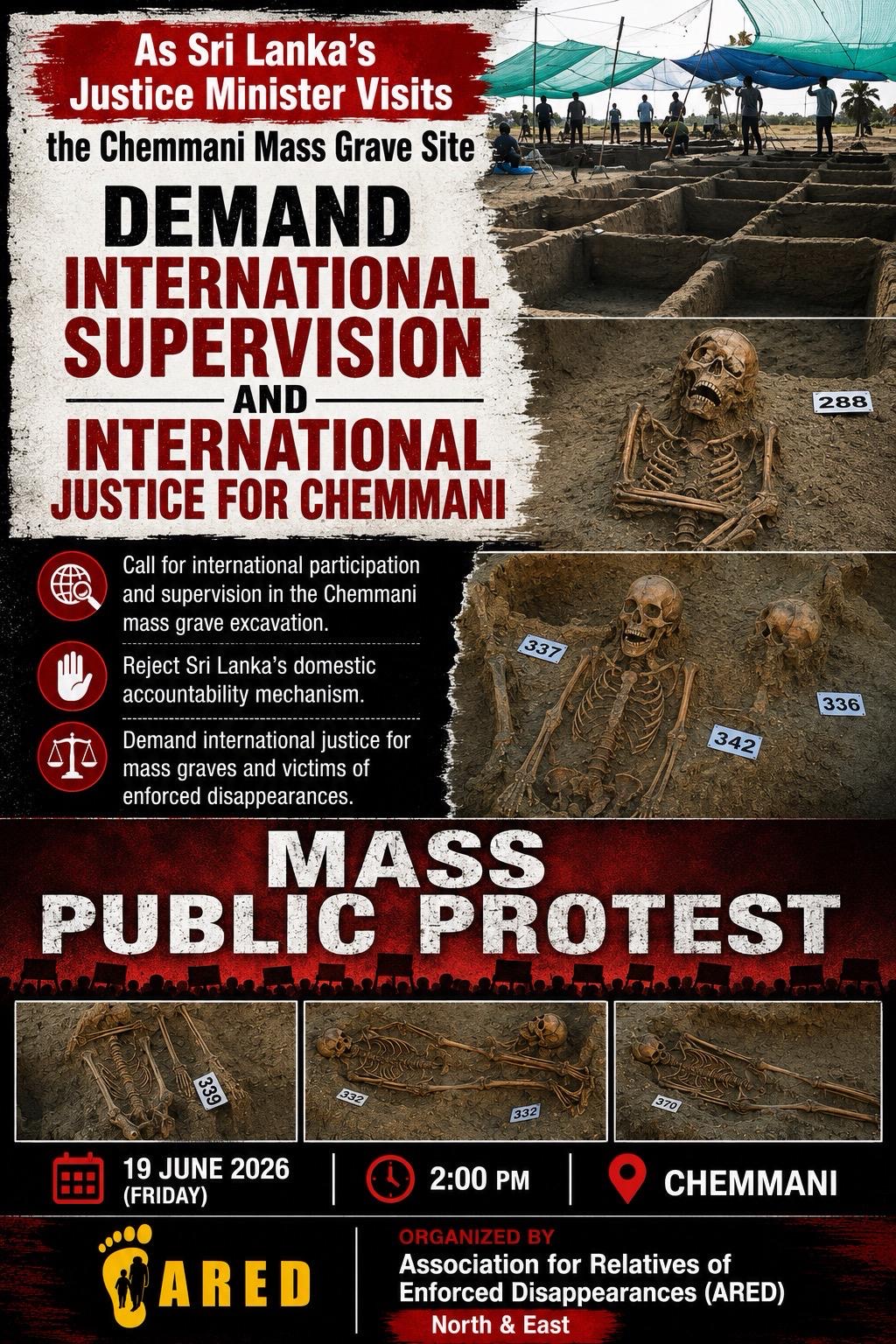
நீதி இல்லா நாட்டில் நீதி அமைச்சர் எதற்கு எனும் கோசத்துடன் யாழ் செம்மணியில் மாபெரும் போராட்டமொன்று முன்னெடுக்கப்பட்டது.
சிறிலங்காவின் நீதி அமைச்சர் செம்மணி மனித புதைகுழிக்கு விஜயம் செய்யவுள்ள நிலையில் அதற்கு எதிர்ப்பு தெரிவித்து வட கிழக்கு காணாமல் ஆக்கப்பட்டவர்களின் உறவினர்களின் சங்கத்தின் ஏற்பாட்டில் செம்மணியில் இன்று மாலை இப் போராட்டம் நடைபெற்றது.
இப் போராட்டத்தில் கலந்து கொள்வதில் காணாமல் ஆக்கப்பட்ட உறவுகள் சங்கத்தின் பிரதிநிதிகள் மற்றும் அரசியல் தலைவர்கள் மற்றும் மதத் தலைவர்களுக்கு எதிராக பொலிஸார் நீதீ மன்ற தடையுத்தரவை பெற்றுள்ளமை குறிப்பிடத்தக்கது.
இதனையடுத்து பெருமளவிலான பொலிஸார் செம்மணியில் குவிக்கப்பட்டுள்ள நிலையிலும் இப் போராட்டத்தில் காணாமல் ஆக்கப்பட்டவர்களின் உறவுகள், அரசியல் பிரமுகர்கள் பொது மக்கள் என பலரும் கலந்து கொண்டிருந்தனர்.
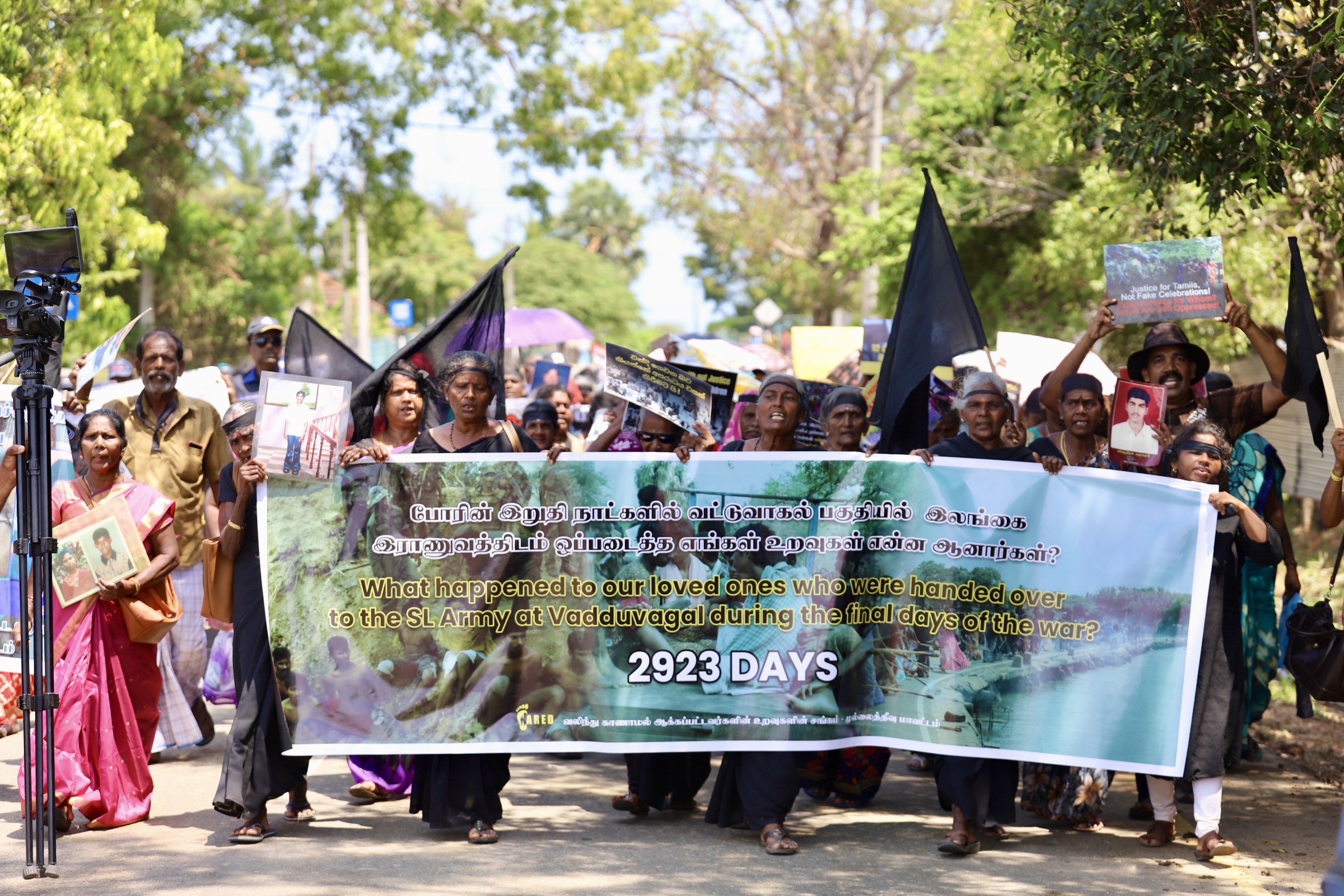
Tamil families of the enforced disappeared mark International Women’s Day
Tamil families of the forcibly disappeared in Mullaitivu marked International Women’s Day this week with a protest through Mullivaikkal, the site of the 2009 genocide, as uniformed Sri Lankan police officers watched on.
The families, mostly made up of women, marched through Vattuvakal Bridge, the same site where hundreds of thousands of Tamils crossed into Sri Lankan army territory in 2009. Many saw their loved ones abducted by the military at this point.
Their protest began before the Vattuvakal Naval Camp, a heavily militarised site, before marching towards the area where mass surrenders took place in 2009. The demonstration concluded with a poignant appeal to the United Nations, as a statement addressed to Volker Türk, the United Nations High Commissioner for Human Rights, was read aloud.
"Once more, we reaffirm our demand for an international judicial process," declared the Association for Relatives of Enforcedly Disappeared (ARED) – Northern and Eastern Provinces.
The protest comes just weeks after Sri Lanka’s government dismissed past UN resolutions during the 58th session of the United Nations Human Rights Council in Geneva. While the Sri Lankan delegation claimed to support accountability, they simultaneously rejected all previous resolutions—effectively refusing to investigate the mass enforced disappearances or hold perpetrators accountable.
For the families protesting in Mullaitivu, these statements were part of Sri Lanka’s ongoing deception. They directly refuted Colombo’s claims, stating:
"The Sinhala nationalist government of Sri Lanka has outrightly rejected all calls for justice. Standing here in Mullivaikkal, Vattuvakal—the very site where our loved ones were last seen—we once again cry out for an international investigation."
During the protest, the families held banners with urgent messages to the international community:
• “What happened to our relatives who were handed over to the army at the end of the war in Vattuvakal?”
• “The government has made women cry on the streets even on this day when the whole world is talking about women’s rights.”
• “The issue of the Kokkuthoduwai mass grave should not be covered up—we demand truth and justice.”
Meanwhile, in a display of militarised repression, Sri Lankan police were stationed in large numbers near a controversial Buddhist temple built near the Vattuvakal Bridge—part of Colombo’s ongoing Sinhalisation of Tamil land.
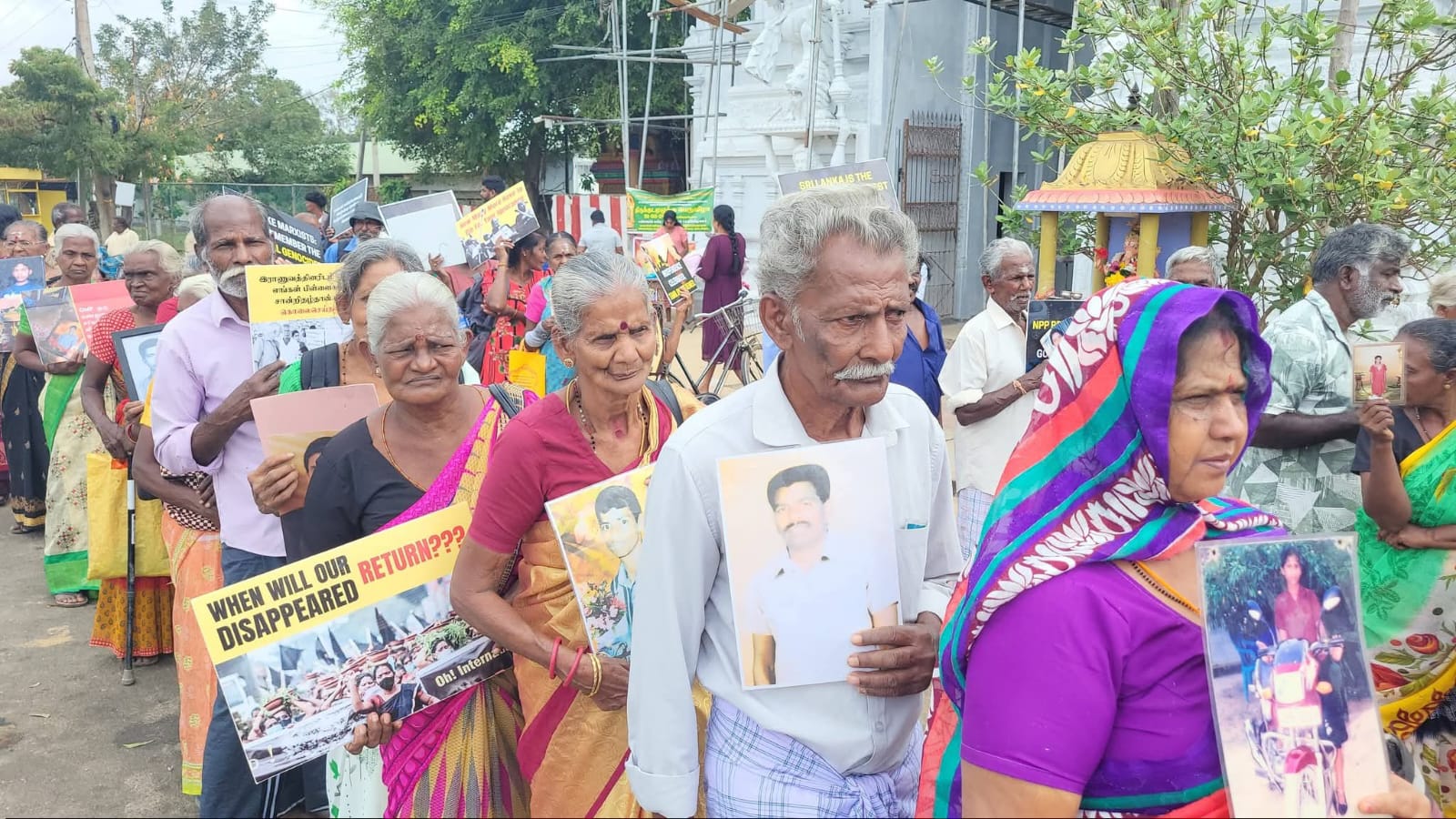
சர்வதேச விசாரணை வேண்டும், வலிந்து காணாமல் ஆக்கப்பட்டோரின் உறவுகள் கிளிநொச்சியில் 3287 நாட்கள் தொடரும் போராட்டம்
சர்வதேச விசாரணை வேண்டும்: வலிந்து காணாமல் ஆக்கப்பட்டோரின் உறவுகள் கிளிநொச்சியில் 3287 நாட்கள் தொடரும் போராட்டம்
வடக்கு, கிழக்கு வலிந்து காணாமல் ஆக்கப்பட்டடோரின் உறவினர்கள் ஒன்றிணைந்து, போராட்டம் ஆரம்பித்து இன்றுடன் 09 ஆண்டுகள் நிறைவடைகின்ற நிலையில், கவனயீர்ப்பு போராட்டம் ஒன்றினை இன்று முன்னெடுத்துள்ளனர்.
தங்கள் கண்ணீருக்கு சர்வதேச நீதி வேண்டி முள்ளிவாய்க்கால் முதல் இன்று வரை நீதிக்காக தாய்மார்களின் முடிவில்லா போராட்டம் 20.02.2026 காலை 10 மணியளவில் கிளிநொச்சி A9 வீதி பிள்ளையார் கோவில் முன்றலில் ஆரம்பிக்கப்பட்ட போராட்டம் கிளிநொச்சி டிப்போ சந்தியில் உள்ள வலிந்து காணாமல் ஆக்கப்பட்டோர் பிராந்திய அலுவலகம் முன்னின்று தங்களின் எதிர்ப்புகளை வெளிப்படுத்தியதுடன் டிப்போ சந்தியை அண்மித்த மீனாட்சி அம்மன் ஆலய முன்றலில் நிறைவடைந்தது.
“வடக்கு கிழக்கு வலிந்து காணாமல் ஆக்கப்பட்டோரின் உறவினர்களாகிய நாங்கள் யுத்தம் முடிவடைந்து 16 வருடங்களை கடந்தும் தொடர் கவனயீர்ப்பு போராட்டத்தை கிளிநொச்சி மாவட்டத்தில் கந்தசாமி கோவில் முன்றலில் 20.02.2017 அன்று ஆரம்பிக்கப்பட்ட போராட்டம் இன்றுடன் 3287 நாட்களைக் கடந்தும் எந்த விதமான பதிலும் நீதியும் கிடைக்கப் பெறவில்லை, நாம் தள்ளாடும் முதிர்ந்த வயதிலும் நாம் தொடர்ந்தும் போராடி வருகின்றோம், பிள்ளைகளைத் தேடி அலையும் தாய்மார்களாகிய எங்களின் கண்ணீருக்கு என்ன பதில் 16 ஆண்டுகள் கடந்தும் நீதி இல்லை, தம்பிள்ளைகளை, உறவுகளை தேடும் இப்போராட்டத்தில் தற்போது வரை ஈடுபட்ட அதிகளவான உறவுகள் இறந்து விட்டனர்
மீண்டும் சர்வதேச நாடுகளுக்கு நாம் வலியுறுத்துவது யுத்தத்திற்கு முன்பும் பின்பும் எமது தமிழ் இனத்துக்கு நடைபெற்ற இன ஒடுக்குமுறைகளின் மிக உச்சக்கட்டமாக 2009 ஆம் ஆண்டு நடைபெற்ற இறுதி யுத்தத்தின் போது முள்ளிவாய்க்காலில் நிகழ்ந்த இனவழிப்புக்கு இது வரை நீதி கிடைக்கவில்லை, நாம் எம் கண்முன்னே பார்த்து சொல்லனாத் துயரத்தை அனுபவித்தோம் . அது மட்டுமின்றி இன்றும் இன ஒடுக்குமுறைக்கு நீதி கிடைக்கவில்லை.
அண்மையில் நிகழ்ந்த இயற்கை சீற்றம் காரணமாக டித்வா புயலால் ஏற்பட்ட பேரழிவிற்கு சர்வதேச நாடுகள் காட்டிய அக்கறைப் போல ஏன் ஒரே நாட்டில் போரின்போது ஆயிரக்கணக்கான அப்பாவி பொதுமக்கள்,சிறுகுழந்தைகள்,கர்ப்பிணித் தாய்மார்கள்,இளைஞர் யுவதிகள் ,வயது முதிர்ந்தவர்கள், கொன்று குவிக்கப்பட்டபோது அமைதி காத்தார்கள் அப்போது நடைபெற்றது மனித உரிமை மீறல் இல்லையா? உங்களின் மனித உரிமைகள் செயற்பாடு அன்று ஏன் அமைதி காத்தது? யுத்தம் முடிவுக்கு வந்த பின்பு சரணடைந்தவர்கள் பல ஆயிரக்கணக்கானோர் சிறுகுழந்தைகளுடனும் குடும்பம் குடும்பமாகவும் இராணுவத்தின் கையில் ஒப்படைக்கப்பட்டார்கள். பல ஆயிரக்கணக்கானோர் வடக்கு கிழக்கில் இராணுவ கட்டுப்பாடு பகுதியில் வைத்து கடத்தி செல்லப்பட்டார்கள்.வெள்ளை வானில் கடத்தி செல்லப்பட்டவர்களும் விசாரணைக்காக அழைத்து செல்லப்பட்டவர்களுக்கும் என்ன நடந்தது. அவர்களை என்ன செய்தார்கள் என்பதனை யுத்தம் முடிவடைந்த பின்பு ஆட்சிக்கு வந்த 5 அரசுகளிலும் எந்த அரசும் இதற்கான பொறுப்புக்கூறவில்லை என்பதை நாம் தெட்டதெளிவாக கூற முடியும் ஏன் என்றால் அவர்கள் குற்றத்தை ஏற்றுக்கொள்ளமாட்டார்கள், தமது இராணுவத்தை காட்டி கொடுக்க மாட்டார்கள் . இரண்டும் நடை பெறாத இடத்தில் எப்படி பொறுப்பு கூறல் நடைபெறும். சர்வதேச சமூகத்திடம் நாம் கேட்டுக் கொள்வது கண்டு பிடிக்கப்பட்ட மனித புதை குழிகளில் இருந்து எடுக்கப்பட்ட மனித எச்ச எலும்புகூடுகளுக்கு முறையான சர்வதேச நிபுணர்த்துவர்களின் பங்களிப்புடன் ஆய்வுகள் மேற்கொள்ளப்பட வேண்டும். குறிப்பாக புதைகுழிகள் பல மூடப்பட்டுள்ளன. தற்போது செம்மணி புதைகுழிக்கான அகழ்வுப்பணிகள் இடை நிறுத்தப்பட்டு மீண்டும் நடைமுறைப்படுத்தப்பட்டு கொண்டு இருக்கின்றது. எனவே அதற்கான சர்வதேச தலையீடு அவசியம் என்பதனை வலியுறுத்தி நிற்கின்றோம்.
படுகொலையை செய்யும் இராணுவத்திற்கு பதவி உயர்வு வழங்கும் நாட்டில் எமக்கான நீதி வழங்கப்படமாட்டாது எனவே தான் நாம் சர்வதேச நீதி கேட்டு 3287 நாட்களைக் கடந்து போராடி வருகின்றோம் வலிந்து காணாமல் ஆக்கப்பட்டவர்களுக்கு சாட்சிகளாக இருந்த 300 மேற்பட்ட தாய் தந்தையரை இழந்து நிற்கின்றோம். அவர்களின் பிள்ளையின் உண்மை நிலை அறியாமல் ஏக்கத்துடன் மரணித்து விட்டார்கள். மிகுதியாக எஞ்சியிருக்கும் சாட்சியங்களாக இருக்கின்ற நாங்களும் இறப்பதற்கு முன் வலிந்து காணாமல் ஆக்கப்பட்டவர்களுக்கு என்ன நடந்தது என கண்டறிய சர்வதேச சிறப்பு சுயாதின விசாரணையை வலியுறுத்தி நிற்கின்றோம். எனவே பின்வரும் கோரிக்கைகளையும் முன்வைக்கின்றோம்
1.வலிந்து காணாமல் ஆக்கப்பட்ட உறவுகளுக்கு சர்வதேச நீதி வேண்டும்.
2.தமிழ் அரசியல் கைதிகள் நிபந்தனை இன்றி உடனடியாக விடுதலை செய்யப்படவேண்டும்
3.நடைமுறையில் இருக்கும் பயங்கரவாத தடை சட்டத்தை[P.T.A]அத்தோடு புதிதாக அமுல்படுத்த இருக்கும் பயங்கரவாதத்தில் இருந்து பாதுகாக்கும் சட்டம்[PSTA] இரண்டு சட்டங்களும் உடனடியாக நீக்கப்படவேண்டும்.
4.இராணுவ முகாம்கள் வட கிழக்கில் மூடப்பட வேண்டும்.
5.வட கிழக்கில் மனித புதைகுழிக்கான அகழ்வு பணியை கண்காணிக்க சர்வதேச நிபுணர்களின் தலையீடுவேண்டும்.
6.பத்திரிகையாளர்கள், மற்றும் சிவில் அமைப்பு பிரதிநிகள் மற்றும் மக்கள் எதிர்நோக்கும் புலனாய்வுத் துறையின் அச்சுறுத்தல் உடனடியா நிறுத்தப்பட வேண்டும்.
7.பெளத்த மயமாக்கல் நிறுத்தப்பட வேண்டும்.
8.எமது தாயகத்தின் வளச் சுரண்டல் நிறுத்தப்படவேண்டும்.
8.அனைத்து வகையாக தாயகத்தில் மேற்கொள்ளும் ஆக்கிரமிப்பு நடவடிக்கைகள் நிறுத்தப்பட வேண்டும்.
போருக்குப் பிறகு 16 ஆண்டுகள் இன்றும் விடை தேடும் ஆயிரக்கணக்கான தாய்மாரின் நீதிக்காக குரலுக்கு சர்வதேசம் தலைசாய்க வேண்டும்
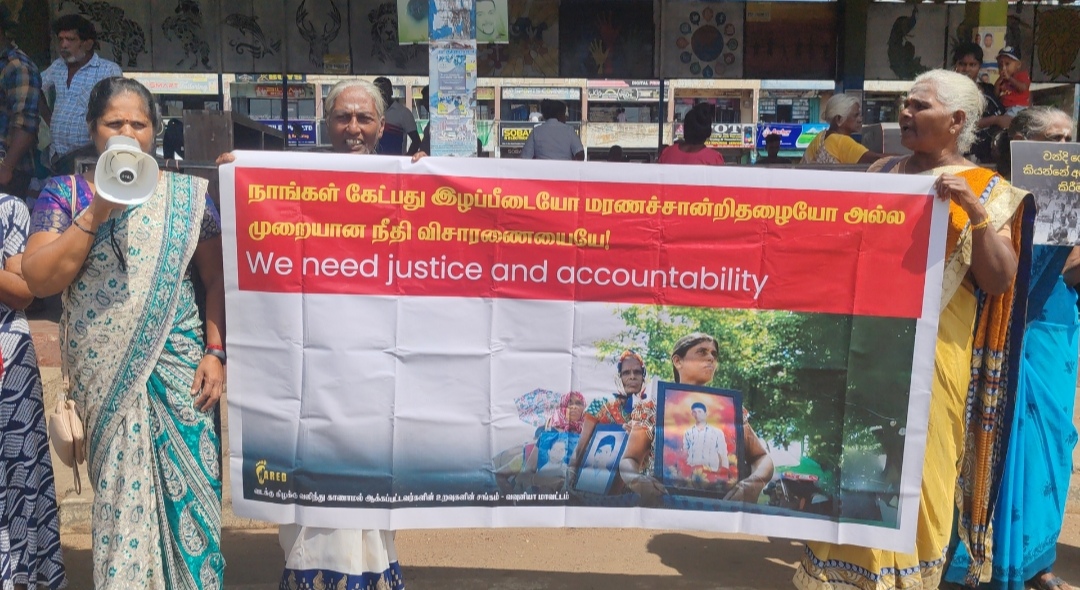
Tamil families of the disappeared reject domestic justice mechanisms, call for international inquiry
Families of individuals who have disappeared against their will in Sri Lanka have once again stated their disapproval of local accountability systems, cautioning that true justice cannot be attained within a framework that has consistently failed Tamil victims and persists in protecting those accused of war crimes and acts of genocide.
During a media briefing at a demonstration near the old bus terminal in Vavuniya, the Association of Relatives of the Forcibly Disappeared conveyed their profound disappointment regarding the recent statements made by the United Nations High Commissioner for Human Rights, Volker Türk, during his visit to the country the previous month. Türk advocated for the application of national mechanisms in conjunction with international support, despite persistent resistance from Tamil families and victim advocacy groups.
The association underscored that genuine accountability cannot arise from Sri Lanka’s domestic processes, citing years of impunity alongside the political promotion of individuals implicated in serious human rights violations, including enforced disappearances and large-scale killings.
They questioned how accountability could be achieved or offenders prosecuted within a nation where genocide has occurred.
The association pointed out that instead of being held accountable, those guilty of severe offenses continue to receive promotions and prestigious appointments from successive Sri Lankan administrations.
They additionally highlighted that the mass graves now being uncovered throughout the nation serve as undeniable proof that genocide has taken place.
Reiterating their relentless pursuit of justice, the association revealed intentions to organize a major protest for the forthcoming International Day of the Victims of Enforced Disappearances on August 30. Protests will take place across the Northern and Eastern regions, where Tamil families will once again call for an international investigation into the disappearances and widespread atrocities that occurred during and following the conflict.
Since 2017, Tamil families of the disappeared have consistently held daily protests alongside roadways, emphasizing the stagnation in accountability and spotlighting Sri Lanka's ongoing refusal to engage with international justice systems. Despite numerous appeals from UN entities and human rights organizations, Colombo has continued to reject the notion of genocide against Tamils and has resisted permitting international prosecution or independent inquiries.
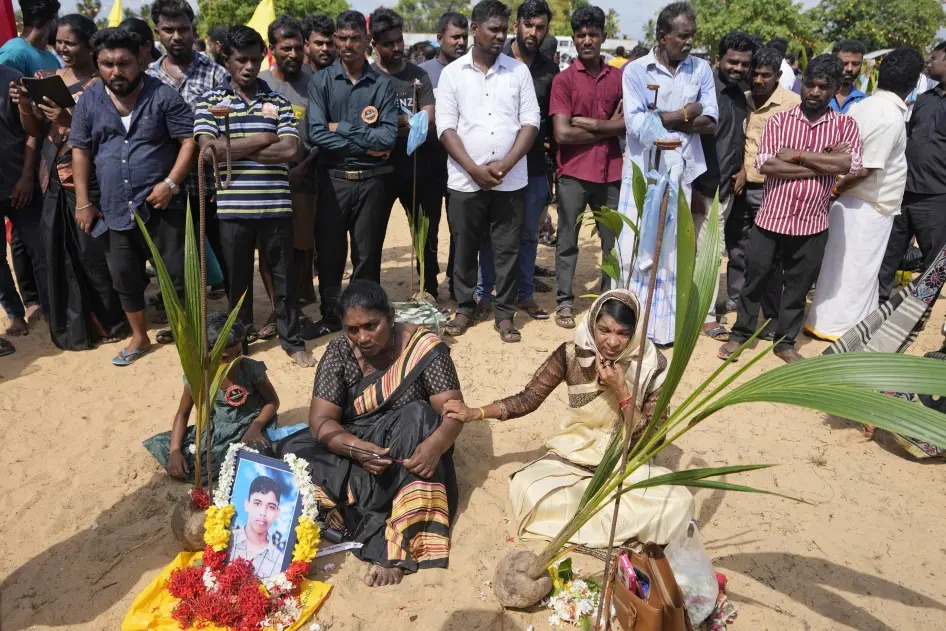
Sri Lanka: Police Target Families of ‘Disappeared’
(Geneva) – Sri Lankan security forces still harass families of victims of forced disappearances and misuse the country’s draconian counterterrorism law a year since President Anura Kumara Dissanayake took office with promises of reform, Human Rights Watch said today. The United Nations Human Rights Council should renew the mandates for the UN to collect and analyze evidence of abuses in Sri Lanka, along with continued monitoring and reporting on the situation.
On August 13, 2025, the Office of the High Commissioner for Human Rights reported that there had been almost no progress in accountability for widespread abuses by government forces and the separatist Liberation Tigers of Tamil Eelam during the 1983-2009 civil war, and that “the structural conditions that led to past violations persist.” Tens of thousands of victims of enforced disappearances, many last seen in military custody, remain unaccounted for.
“President Dissanayake pledged that he would adopt more rights-respecting policies, but very little has changed, particularly for Tamil victims of abuses,” said Meenakshi Ganguly, deputy Asia director at Human Rights Watch. “The families of the disappeared continue to face threats, including for engaging with the UN, while prospects for justice in Sri Lanka are as remote as ever.”
In June, the UN human rights chief, Volker Türk, visited the Chemmani mass grave near Jaffna, from which the bodies of over 100 people including children believed to have died in army custody have been recovered, and called for “robust investigations by independent experts with forensic expertise who can bring out the truth.” Over several decades, about 20 mass grave sites have been discovered in Sri Lanka, including those linked to the brutal security forces crackdown during the 1987-1989 uprising in southern Sri Lanka by the Janatha Vimukthi Peramuna (People’s Liberation Front or JVP), the formerly militant leftist party that is now the largest constituent of the Dissanayake government. None of these sites have been adequately investigated.
In 2020, the government withdrew its support for a UN Human Rights Council resolution adopted by consensus biannually since 2015 to advance justice. In 2021, the Council created the Sri Lanka Accountability Project to gather information and evidence for use in possible future trials. Many families of victims have braved possible retaliation by the authorities to share evidence with the project.
In the predominantly Tamil Northern and Eastern Provinces, the areas most affected by the war, there has been no apparent reduction under the Dissanayake administration in police and intelligence agencies’ efforts to monitor and intimidate victims’ families and human rights defenders.
A woman whose son was forcibly disappeared in army custody in 2008 said that in June, Terrorism Investigation Division police officers questioned her at her home for three hours. They asked her about her visits to Geneva, where she has engaged with the Accountability Project and the Human Rights Council.
“Many mothers [of the disappeared] are mentally affected by the [police] inquiries, monitoring, and intimidation,” she said. She believes that surveillance, including by the police Criminal Investigation Department (CID) has increased. “The monitoring by the CID is tighter now,” she said. “Sometimes they approach our children to get information about us. That is a type of threat.”
The police sometimes discourage people from attending events for war victims, and intimidate people there by filming memorial events. In August, counterterrorism police summoned Kanapathipillai Kumanan, a prominent Tamil journalist and rights defender, for questioning. One activist said that the authorities also “create isolation” by paying informers in communities to report on activists, while threatening others not to associate with certain campaigners or organizations. The monitoring is often directed at those who engage with the UN, including around the recent visit by Türk.
The Sri Lankan authorities continue to use counterterrorism powers to arbitrarily detain members of minority communities and harass activists. Police from the Terrorism Investigation Division have repeatedly questioned administrators of nongovernmental organizations about their funding. Administrators say they are sometimes unable to receive bank transfers due to the misapplication of rules purportedly intended to counter terrorist financing. In September 2023, the International Monetary Fund found that “broad application of counter-terrorism rules” restricted civil society scrutiny of official corruption.
Sri Lanka is being evaluated by the Financial Action Task Force (FATF), an intergovernmental organization that combats money laundering and terrorist financing. Activists have raised concerns that the government is violating FATF’s code, which calls for “focused, proportionate and risk-based measures,” and warns against “unduly disrupting or discouraging” legitimate work by nonprofit organizations.
Since 2015, successive Sri Lankan governments have pledged to repeal the notorious Prevention of Terrorism Act (PTA), which has been used to enable arbitrary detention and torture since it was introduced as a temporary measure in 1979. The pledge has also been a condition of Sri Lanka’s beneficial trading relationship with the European Union since 2017. Dissanayake made the same commitment during his election campaign.
However, the PTA is still being used to detain people without any evidence of involvement in terrorism. According to data in an August 2025 UN human rights report on Sri Lanka, 38 people were arrested under the law in 2024, and 49 in the first four months of 2025.
Mohamad Liyaudeen Mohamed Rusdi was arrested under the PTA on March 22 with a detention order signed by Dissanayake. When he was released on April 7, Dissanayake signed an unprecedented “restriction order,” including to report regularly to the police. Rusdi’s alleged crime was pasting a sticker opposing Israeli government policies. The Human Rights Commission of Sri Lanka found a “total lack of evidence that Mr. Rusdi had committed any offense” and said it was “a stark example of the inherent dangers of the PTA and the propensity of law enforcement officials to deploy the PTA’s provisions in bad faith.”
Police held Mohamed Rifai Suhail, a 21-year-old student, for nine months without charge because he criticized Israel on social media. Although the police are required by law to notify the Human Rights Commission of all PTA detentions, they did not do so.
The Sri Lankan government should immediately and publicly direct security agencies to end the surveillance and harassment of victims’ families and activists, and announce a complete moratorium on the use of the PTA, Human Rights Watch said. The government should invite international experts to assist in the excavation of the Chemmani mass grave.
Sri Lanka should also support a resolution at the upcoming UN Human Rights Council session, scheduled to begin on September 8, to renew the Accountability Project and the UN’s ongoing monitoring and reporting for two years.
“Families of the disappeared in Sri Lanka have been fearless in their campaign for truth and justice, but they face government harassment every step of the way,” Ganguly said. “Foreign governments should press harder for credible investigations of mass graves and the prosecution of those responsible for serious crimes in Sri Lanka, wherever they can be brought to justice.”
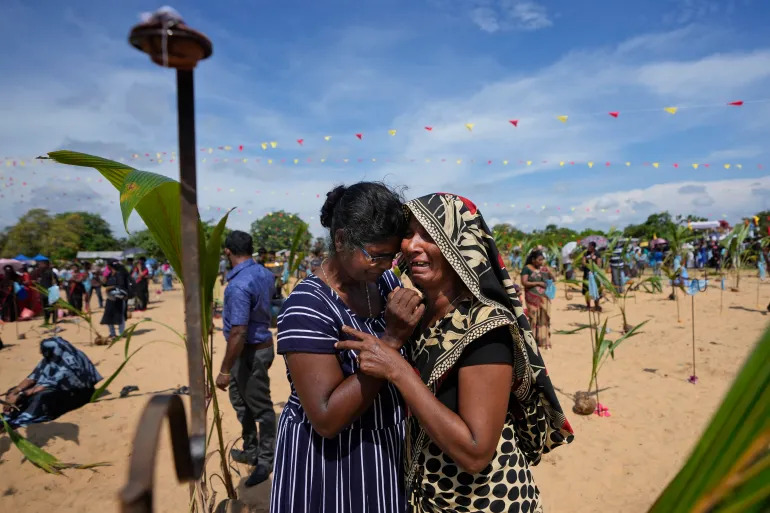
New Sri Lanka mass grave discovery reopens old wounds for Tamils
Chemmani, Sri Lanka — Less than 100 metres (328 ft) from a busy road, policemen stand on watch behind a pair of rust coloured gates that lead to a cemetery in the outskirts of Jaffna, the capital of Sri Lanka’s Northern Province.
The officers are guarding Sri Lanka’s most recently unearthed mass grave, which has so far led to the discovery of 19 bodies, including those of three babies.
The discovery of the mass grave has reopened old wounds for Sri Lanka’s Tamil community, which suffered the worst violence of the island’s 26-year civil war between the Sri Lankan government and the Liberation Tigers of Tamil Eelam (LTTE), a group that was seeking a separate homeland for Tamils.
Many Tamils were forcibly disappeared by the state, with a 2017 report by Amnesty International estimating that between 60,000 and 100,000 people have disappeared in Sri Lanka since the late 1980s. In the final stages of the war, which ended in 2009, the Tamil community alleges that nearly 170,000 people were killed, while United Nations estimates put the figure at 40,000.
Chemmani, in particular, has gripped the public imagination for more than 25 years, since the case of Krishanthi Kumaraswamy, a schoolgirl who was gang-raped by members of the Sri Lankan Army in 1996 before being killed. Her mother, brother and family friend were also murdered and the four bodies were discovered in Chemmani in 1996.
Former Army Corporal Somaratne Rajapakse, who was found guilty of Krishanthi’s rape and murder, alleged during his trial in 1998 that between 300 and 400 people had been buried in mass graves in Chemmani. Fifteen bodies were discovered the following year based on information he provided, two of which were identified as men who had disappeared in 1996 after being arrested by the army.
The discovery of the new mass grave has also revived an old question that has continued to haunt the Sri Lankan Tamil community in its quest for justice. Past excavations have not fully yielded answers to the questions about forced disappearances and killings during the war, in part because the government has not followed through on the findings, say archaeologists. Can mass graves like the one found in Chemmani really bring closure?
BABIES ARE YOUNGER THAN 10 MONTHS AMONG THE DEAD
In February, skeletal remains were discovered while a building was being constructed in Chemmani. A 10-day excavation began in mid-May.
Raj Somadeva, the archaeologist leading the excavation, told Al Jazeera that the 19 bodies discovered so far include three “neonatal” skeletons, or babies younger than 10 months old.
He said the bodies would eventually be analysed by doctors to try and determine their cause of death, and that he would use artefacts, such as cellophane wrappers bearing dates or clothes, to try and date the burials. If artefactual material is unavailable, then radioactive dating could be employed as an alternative, he said.
However, Somadeva told Al Jazeera that “less than 40 percent” of the burial site had been excavated so far and that he had already identified a second probable burial site within the cemetery using satellite images and drones to take high-altitude photographs.
“I have submitted an interim report to the court, saying it can be identified as a mass grave and further investigation is needed,” Somadeva said.
Ranitha Gnanarajah, a lawyer representing families of the disappeared, told Al Jazeera she was working with more than 600 people from the Jaffna area who were looking for their missing loved ones, the majority of whom went missing between 1995 and 2008. Many Tamils were displaced in 1995 from Jaffna, the capital of the Northern Province, the country’s Tamil heartland.
She said the families were “fully participating” in the excavation process and wanted the identification efforts to be carried out properly, given that previous excavation efforts had not led to a final conclusion. Family members of missing people are also helping the police in ensuring the security of the site.
A HISTORY OF FAILED INVESTIGATIONS
However, the willingness on the part of the Tamil community to help excavators in unearthing clues from the Chemmani mass grave is tempered by past experiences.
Recent excavations of other mass graves in Sri Lanka have failed to lead to meaningful answers, setting off allegations of coverups.
Yogarasa Kanagaranjani, the president of the Association of Relatives of Enforced Disappearances (ARED), said she was fearful that Chemmani would follow the pattern of previous excavations in Mannar, Kokkuthoduvai and Thiruketheeswaram, all in the Northern Province.
“This could also be covered up like the other graves, with no justice or answers given,” said Kanagaranjani, whose son Amalan was part of the LTTE and disappeared in 2009 after she said he surrendered to the army. “If you ask the killers to give you justice, will they?”
The largest excavation of a mass grave was carried out in the northwestern region of Mannar. Starting in 2018, the digging was also led by Somadeva. In all, 346 skeletons were unearthed. The excavation was overseen by the Ministry of Justice and the Office of Missing Persons (OMP), established by the government in 2017.
However, Somadeva criticised the state’s handling of the Mannar excavation, saying he had received the artefacts unearthed only a week ago, three years after his initial request, and that he had still not been allocated a budget to analyse them.
He also told Al Jazeera that he had still not been paid “a single cent” for 14 months of work on the Mannar excavation, and had been forced to use his own money to cover his travel expenses.
“We can’t work under this type of circumstances. Nobody takes responsibility,” Somadeva said, describing the OMP as a “white elephant”.
An OMP representative told Al Jazeera it was participating in the Chemmani excavation solely as an observer but that it had facilitated the Mannar excavation alongside the Ministry of Justice. The representative said he believed there were no outstanding payments but was not certain, and declined to comment further in the absence of a formal complaint.
DEMANDS FOR INTERNATIONAL OVERSIGHT.
A 2024 report by the Office of the United Nations High Commissioner for Human Rights (OHCHR) said it “remains concerned that there are insufficient financial, human and technical resources to conduct exhumations in line with international standards and encourages the Government to seek international support in this regard”.
The Jaffna-based Adayaalam Centre for Policy Research said that “the same defects that plagued the previous exhumations persist” in Chemmani, which it said was also “being undertaken without international observation or expertise”.
“If the government wants the Tamil community in general and families of the disappeared in particular to believe in the transparency and genuineness of the exhumation process, it must first adopt without undue delay a clear and comprehensive exhumation policy with adequate funding allocation, allow international participation, actively seek international expertise, and permit the families of the disappeared to participate and have a legal representation in the exhumation process,” Adayaalam said in a written statement to Al Jazeera.
The election of leftist President Anura Kumara Dissanayake in September had sparked hopes among Sri Lankan Tamils that he might support their search for justice. But Kanagaranjani, the ARED president, said that, so far, Dissanayake had failed to deliver.
“It’s now been more than eight months since the president has been in power, but he hasn’t taken the slightest notice of our problems,” she said. “Rulers change, but reality stays the same.”
Kanagaranjani told Al Jazeera that answers were vital for the families of the disappeared as would lead to “clarity”. Like the Adayaalam centre, she too said that the excavation needed “international oversight” and that “investigations [needed] to be carried out in accordance with international standards”.
Thyagi Ruwanpathirana, a South Asia researcher at Amnesty International, said calls for international oversight were “entirely legitimate” given that “there’s not been a single instance where exhumations have been seen through to the end – where remains found in mass graves have been identified and returned to family members for a dignified burial.”
Ruwanpathirana reiterated Amnesty’s call for “transparency” and said that as a signatory to the International Convention for the Protection of all Persons from Enforced Disappearance, “Sri Lanka has an international obligation to provide the truth to families of the disappeared”.