Tamil families of the disappeared reject domestic justice mechanisms, call for international inquiry
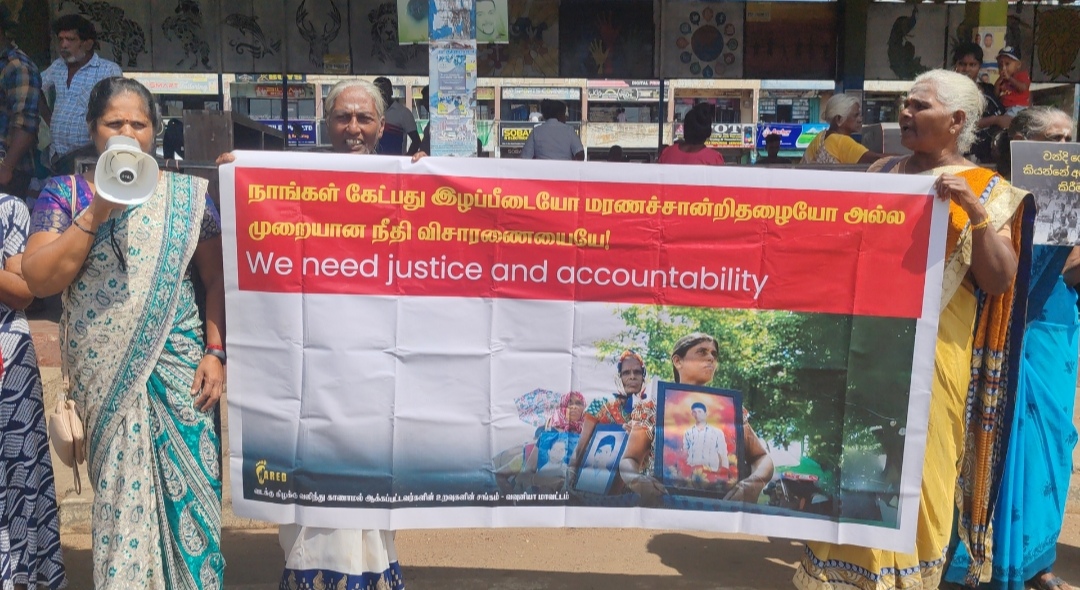
Families of individuals who have disappeared against their will in Sri Lanka have once again stated their disapproval of local accountability systems, cautioning that true justice cannot be attained within a framework that has consistently failed Tamil victims and persists in protecting those accused of war crimes and acts of genocide.
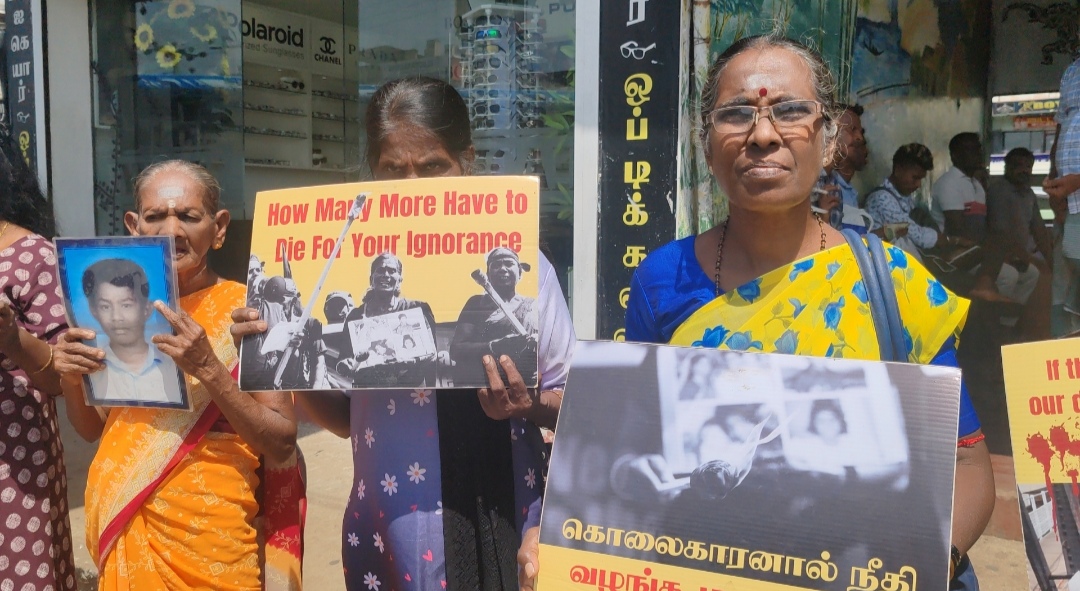
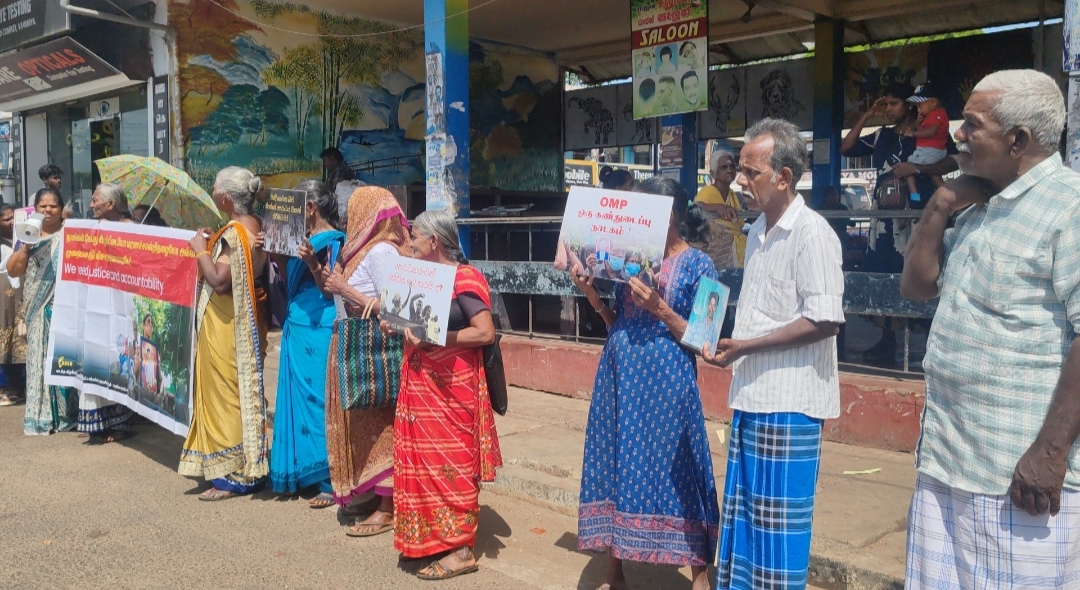
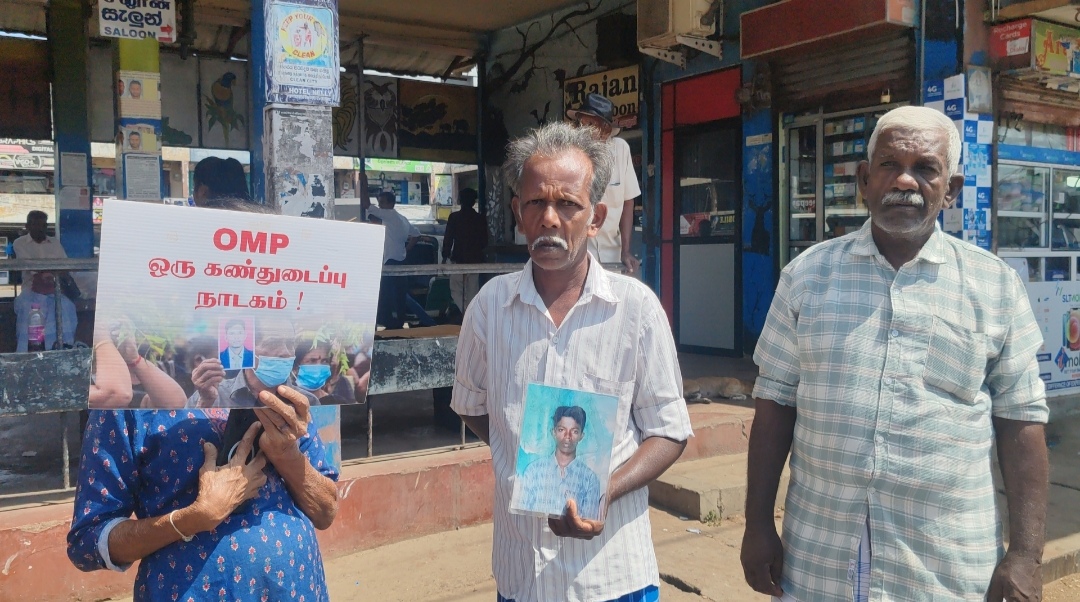
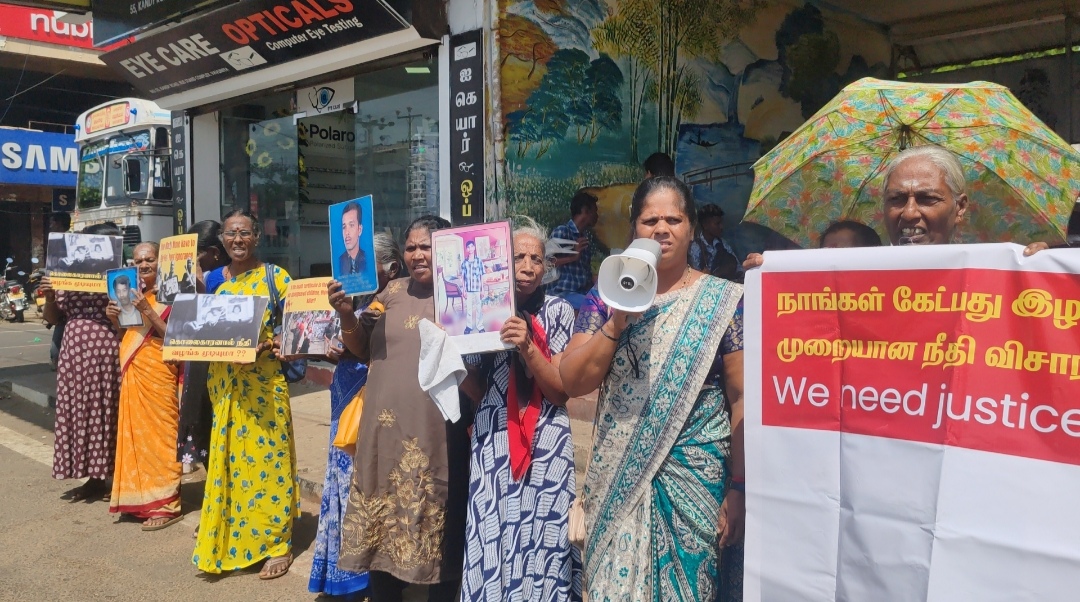
During a media briefing at a demonstration near the old bus terminal in Vavuniya, the Association of Relatives of the Forcibly Disappeared conveyed their profound disappointment regarding the recent statements made by the United Nations High Commissioner for Human Rights, Volker Türk, during his visit to the country the previous month. Türk advocated for the application of national mechanisms in conjunction with international support, despite persistent resistance from Tamil families and victim advocacy groups.
The association underscored that genuine accountability cannot arise from Sri Lanka’s domestic processes, citing years of impunity alongside the political promotion of individuals implicated in serious human rights violations, including enforced disappearances and large-scale killings.
They questioned how accountability could be achieved or offenders prosecuted within a nation where genocide has occurred.
The association pointed out that instead of being held accountable, those guilty of severe offenses continue to receive promotions and prestigious appointments from successive Sri Lankan administrations.
They additionally highlighted that the mass graves now being uncovered throughout the nation serve as undeniable proof that genocide has taken place.
Reiterating their relentless pursuit of justice, the association revealed intentions to organize a major protest for the forthcoming International Day of the Victims of Enforced Disappearances on August 30. Protests will take place across the Northern and Eastern regions, where Tamil families will once again call for an international investigation into the disappearances and widespread atrocities that occurred during and following the conflict.
Since 2017, Tamil families of the disappeared have consistently held daily protests alongside roadways, emphasizing the stagnation in accountability and spotlighting Sri Lanka's ongoing refusal to engage with international justice systems. Despite numerous appeals from UN entities and human rights organizations, Colombo has continued to reject the notion of genocide against Tamils and has resisted permitting international prosecution or independent inquiries.